Introduction
The name Attenborough carries global recognition, often associated with iconic figures in broadcasting and film. Yet beyond the spotlight lies a quieter but equally meaningful contributor—Robert Attenborough. While he has remained largely out of public view, his work in anthropology and human biology has made a significant impact in academic circles.
This article explores the untold story, career highlights, and enduring legacy of Robert Attenborough, offering a detailed and informative look at his life and contributions.
Early Life and Family Background
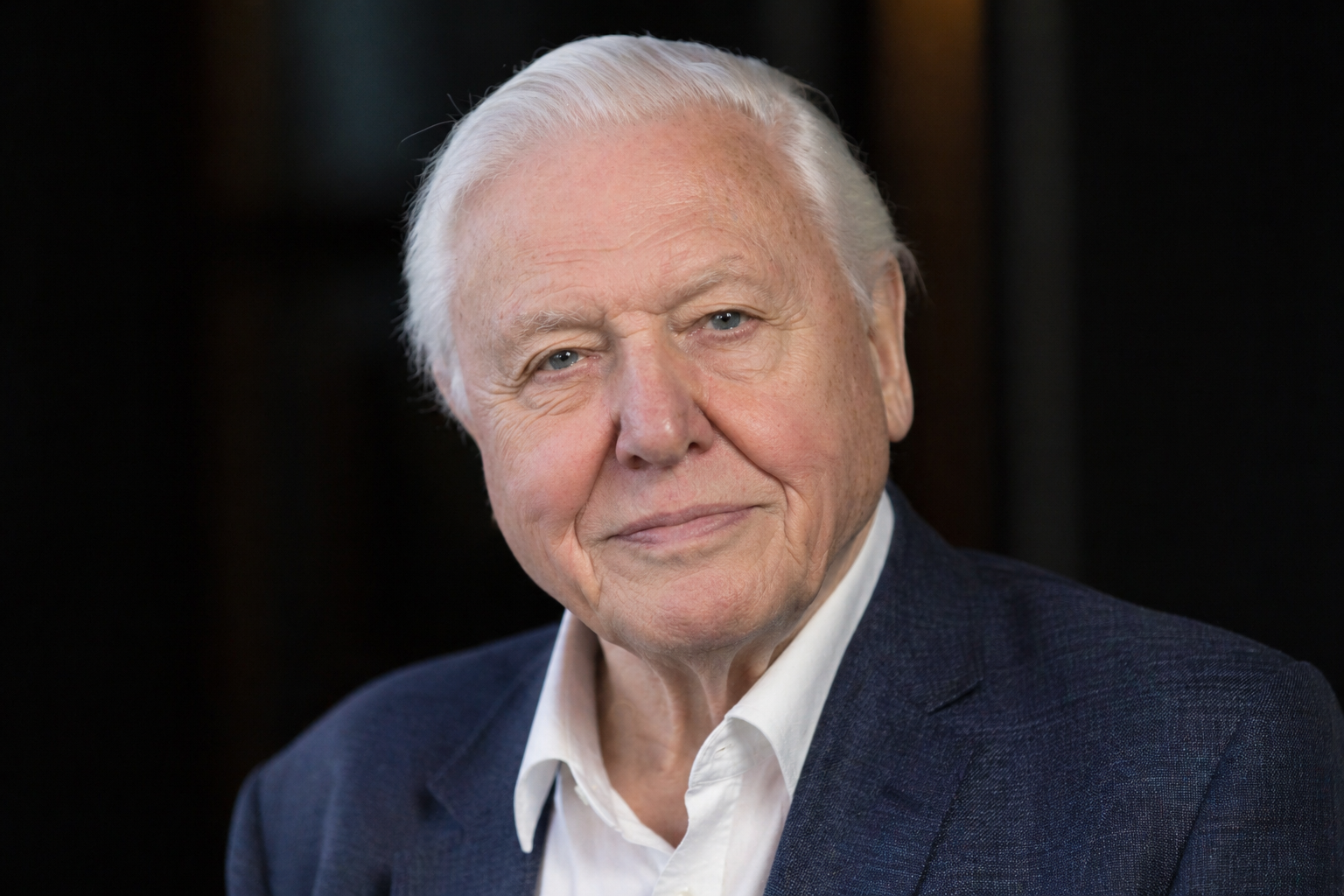
Robert Attenborough was born into one of Britain’s most respected intellectual families. He is the son of David Attenborough, the world-renowned naturalist and broadcaster.
Growing up in such an environment naturally exposed him to science, education, and curiosity about the natural world. However, unlike his father—who became a global figure through television—Robert chose a more academic and research-focused path.
He is also part of a wider family legacy that includes Richard Attenborough, whose contributions to cinema further highlight the family’s diverse achievements.
Educational Journey and Academic Foundation
Robert Attenborough pursued higher education in fields closely related to anthropology, biology, and human evolution. His academic focus centered on bioanthropology, which combines biological science with the study of human societies and cultures.
This educational path allowed him to explore how humans adapt biologically and culturally to different environments. His academic training laid the groundwork for a career dedicated to research rather than public broadcasting.
Career Highlights in Academia
Robert Attenborough has built a respected career in academia, particularly as a lecturer and researcher. He has been associated with the Australian National University, where he served as a senior lecturer in anthropology.
He has also been affiliated with the University of Cambridge, contributing to research in biological anthropology and human evolutionary studies.
His academic roles reflect a deep commitment to understanding human biology, health, and evolution from both scientific and cultural perspectives.
Research Contributions and Scientific Impact
A major focus of Robert Attenborough’s research has been human population biology, particularly in regions like Papua New Guinea. His work examines how genetics, environment, and culture interact to shape human health and evolution.
Key areas of his research include:
- Human population structure and demographics
- Nutrition and health patterns in indigenous communities
- Evolutionary and behavioral anthropology
- Genetic adaptation to environmental challenges
His contributions have added valuable insights into how human populations evolve and adapt over time, particularly in understudied regions.
A Life Away from the Spotlight
Despite being part of a globally recognized family, Robert Attenborough has deliberately maintained a low public profile. Unlike many individuals connected to fame, he has chosen to focus on academic research and teaching rather than media exposure.
This decision highlights a commitment to intellectual work over public recognition. His achievements may not dominate headlines, but they are highly respected within academic and scientific communities.
Relationship with the Attenborough Legacy
The Attenborough name is synonymous with excellence, but Robert Attenborough has carved out his own unique path within that legacy.
- His father brought nature into homes through groundbreaking documentaries.
- His uncle transformed cinema with powerful storytelling.
- Robert Attenborough has contributed to the scientific understanding of humanity itself.
Rather than following a traditional path of fame, he expanded the family legacy into academia and research.
Teaching and Mentorship
In addition to research, Robert Attenborough has played an important role as an educator. As a lecturer, he has guided students in complex subjects such as human evolution, anthropology, and population health.
Through teaching, he has influenced a new generation of researchers and scholars. His work ensures that his impact extends beyond his own research into the future of academic study.
Challenges and Lesser-Known Aspects
Due to his preference for privacy, much of Robert Attenborough’s personal life remains unknown to the public. This lack of visibility has contributed to curiosity about his life and career.
However, this privacy also reinforces his dedication to scholarship. In an era driven by visibility and online presence, his focus on meaningful academic contributions stands out.
Enduring Legacy and Influence
Robert Attenborough’s legacy is defined by academic excellence, scientific research, and intellectual contribution. His work has helped advance the understanding of human biology and evolution.
His influence is evident in:
- Contributions to bioanthropology research
- Studies on human health and population biology
- Mentorship of future academics
While he may not be widely known outside academic circles, his impact is both real and lasting.
Conclusion
Robert Attenborough represents a different kind of success—one grounded in knowledge, research, and quiet influence. As part of a renowned family, he chose a path that prioritizes intellectual contribution over public fame.
His story is a reminder that true legacy is not always measured by visibility but by the depth and value of one’s work. Through his contributions to anthropology and human biology, Robert Attenborough has established a meaningful and enduring legacy.